Energy
Cabo trenzado ligero y flotante para tareas auxiliares en cubierta.
Resumen
Parámetros técnicos
| Diámetro | Carga de rotura | Peso | Colores |
|---|---|---|---|
| 2 mm | 90 daN | 0.2 kg / 100 m | |
| 3 mm | 160 daN | 0.3 kg / 100 m | |
| 4 mm | 290 daN | 0.7 kg / 100 m | |
| 5 mm | 350 daN | 0.9 kg / 100 m | |
| 6 mm | 450 daN | 1.3 kg / 100 m | |
| 8 mm | 650 daN | 2.5 kg / 100 m | |
| 10 mm | 900 daN | 3.6 kg / 100 m | |
| 12 mm | 1250 daN | 5.6 kg / 100 m | |
| 14 mm | 1600 daN | 7.8 kg / 100 m |
Material y construcción en detalle
Alma · Polipropileno
Fibra ligera que flota y la más económica; menor resistencia y, sin estabilizar, peor tolerancia a los UV. Ideal para cabos flotantes de rescate (SOS line), amarras ligeras (Stormy dock, Malaga) y cabos de aspecto clásico (Oldtimer, Baška PPV).
Construcción
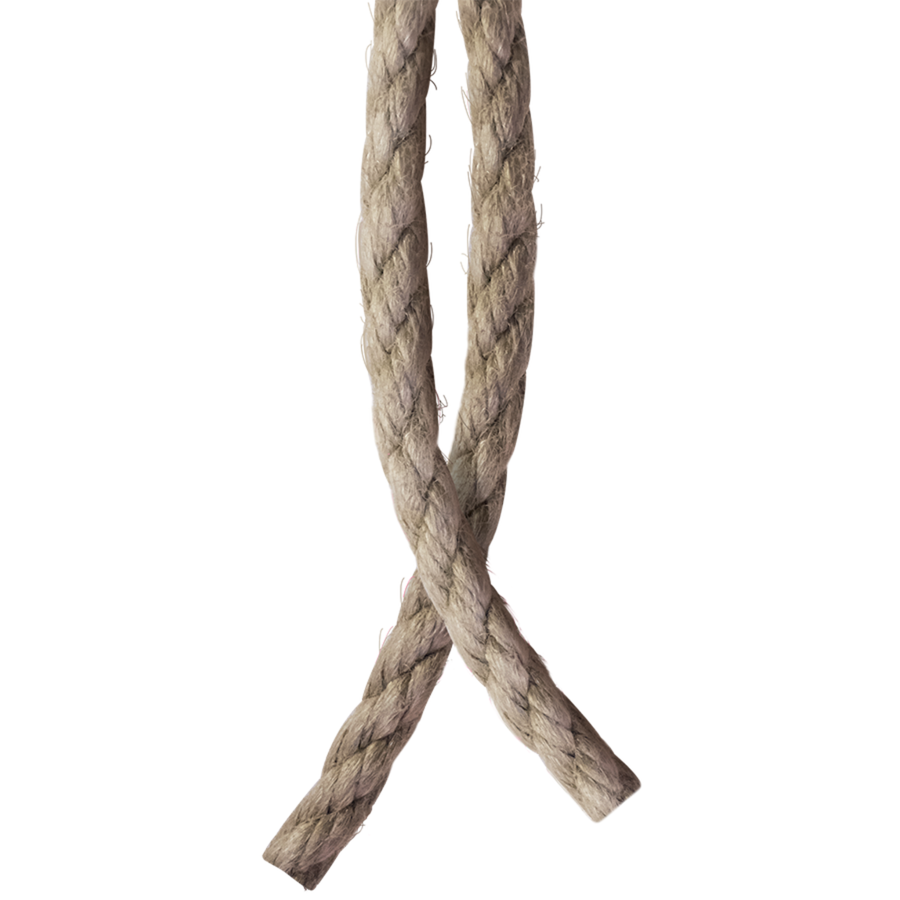
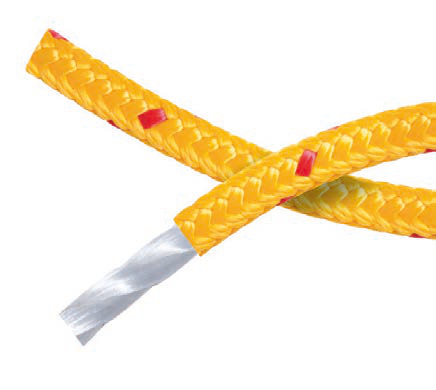
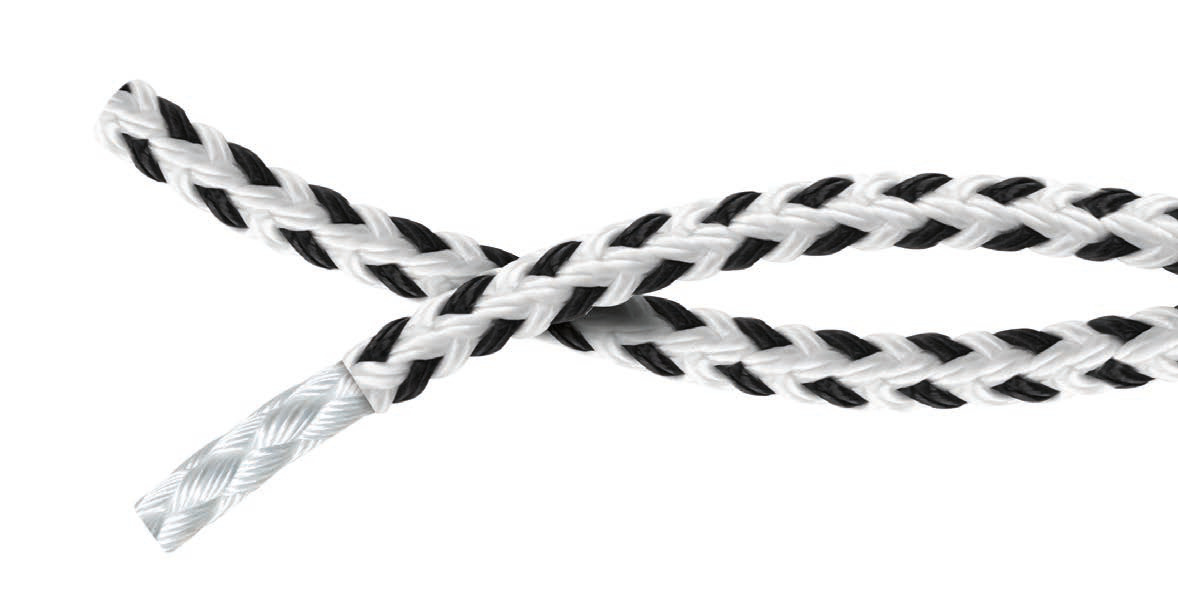
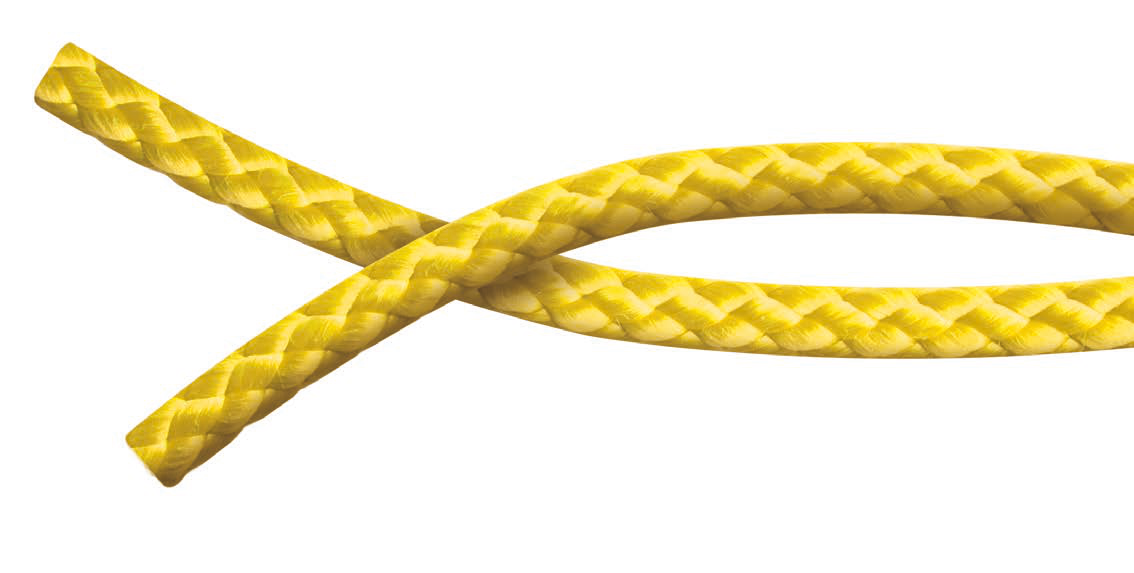
Trenza sin alma, flexible y más plana. Sujeta bien los nudos y es fácil de manejar — para trincas, whipping line y pequeños accesorios.
Lea en la Guía
Dyneema or polyester? How to choose the rope material
The two most common fibres on deck and two different philosophies. When Dyneema is worth the investment and where polyester does the same job for a fraction of the price.
How to measure the ropes on your boat and when to replace them
Simple formulas for halyard and sheet length that you can work out from the sail dimensions, and seven signs that a rope is due for replacement.
Uso recomendado
Materiales y construcción
- Construcción
- Trenza sin alma
- Alma
- Polipropileno
- Adecuado para
- Veleros de crucero, Pequeñas embarcaciones de regata
- Colores disponibles