Fondeo y amarre
Mooring lines for the marina: how many, how long and what material
A well-chosen mooring line keeps the boat still even in a night-time gust. A practical guide to the set of lines you need in a marina.
The basic set: four lines
For ordinary mooring you need four lines: two for bow and stern and two springs that stop the boat moving along the pontoon. Each line should be about the hull length plus two metres, springs can be longer. That is why our recommendations list mooring lines as a set of four. If you often moor stern-to with a lazy line, add two longer stern lines.
Material: elasticity that saves your fittings
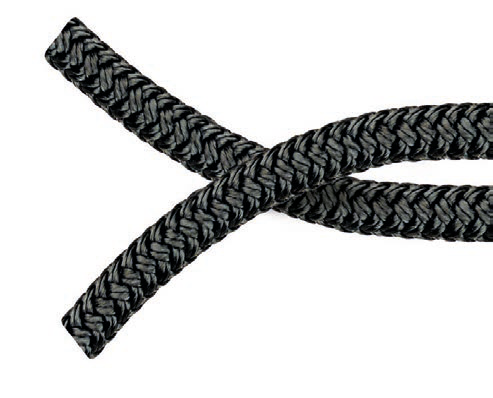
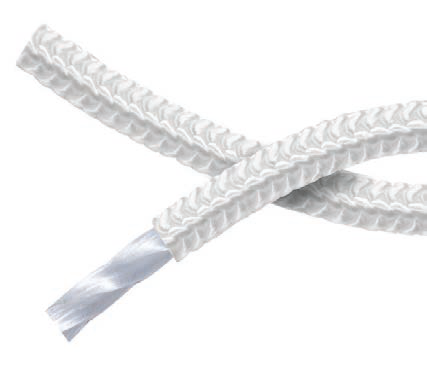
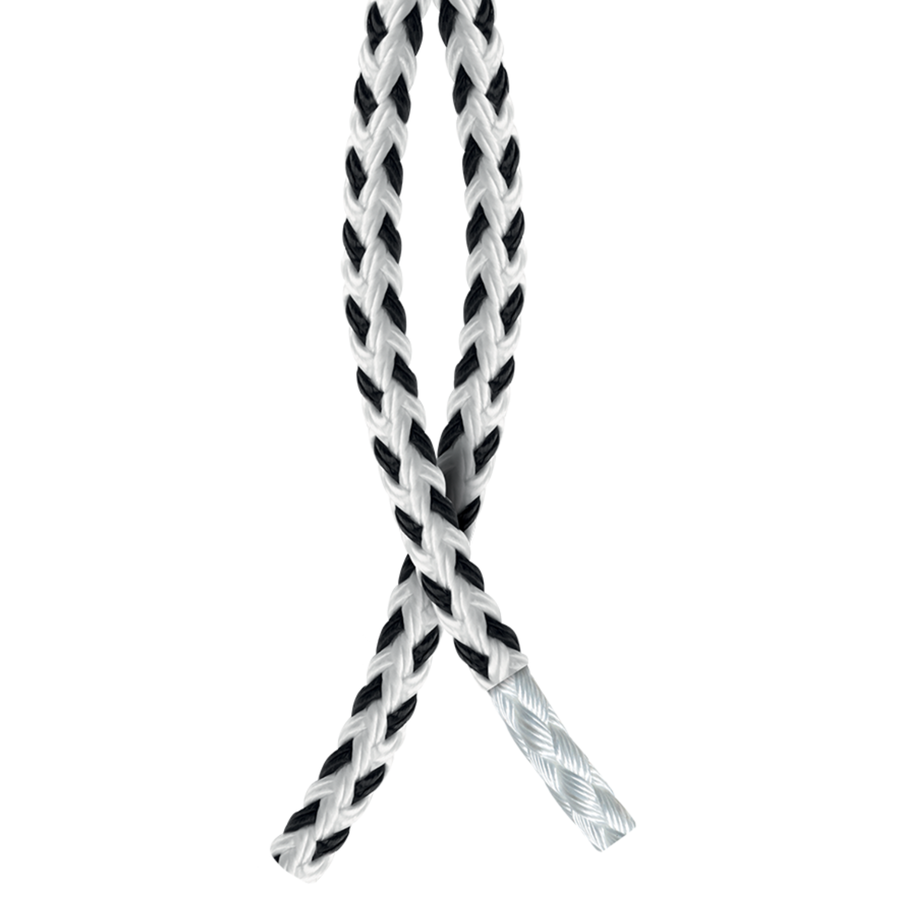
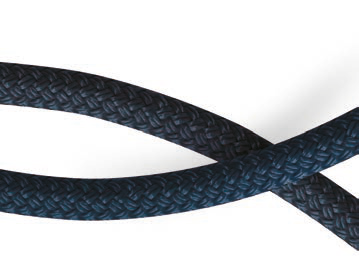
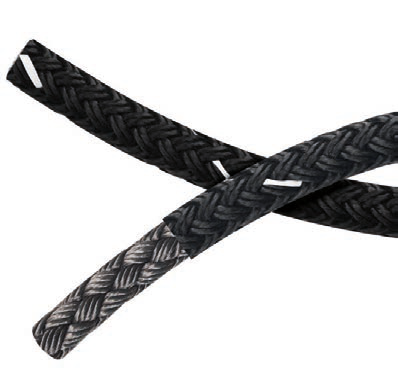
A mooring line should not be stiff. Elastic polyamide, that is nylon, absorbs the shock loads from waves and gusts that would otherwise tear at cleats and fairleads. Flexon and Mariner are exactly that; Flexon is also soft in the hand. The polyester Laguna is stiffer but resists UV very well and is universal. For light seasonal mooring in a sheltered marina the polypropylene Stormy dock will do, it floats and costs least; Vision carries a reflective strip in its cover that shows in a head torch when you return to the boat at night.
Diameter by boat
For boats up to 9 metres 12 mm, up to 12 metres 14 mm, up to 15 metres 16 mm and 18 mm for larger yachts. Too thick a line does not fit the cleat or the fairlead and is awkward to handle. Check the diameter of the fairleads and cleats on your boat, they are often the limiting factor.
Tide, bora and sun
In tidal harbours allow enough length for the range of the tide and lead the lines so they can run without chafing. In Mediterranean marinas you moor stern-to: two stern lines to the quay and a lazy line from the seabed holding the bow, so the stern lines need extra length and good chafe protection on the quay edge. A bora can rise to gale force overnight, so double the lines on the windward side before dark. Sun is hard on ropes in summer; polyester and polyamide cope well, unstabilised polypropylene less so.
Care and when to replace
Rinse the lines with fresh water after the season and let them dry in the shade. Inspect the sections at the fairleads: a flattened, glazed or frayed cover means the line is losing strength. Replace a mooring line that has gone hard and stopped stretching even if it looks intact, because it no longer absorbs shock loads. You can have a complete set recommended for your boat model in the Boat selector.
¿Dudas?
Elija su barco para recibir recomendaciones de diámetro y longitud, o escríbanos.
Preguntas frecuentes
How many mooring lines do I need?+
Four as a basis: bow, stern and two springs. For stern-to mooring with a lazy line add two longer stern lines.
How long should a mooring line be?+
Roughly the hull length plus two metres; springs and stern lines for stern-to mooring are better longer.
Polyamide or polyester for mooring?+
Polyamide absorbs shock loads better and saves fittings, polyester copes better with sun and is more universal. For a permanent berth choose polyamide; for occasional mooring quality polyester is enough.