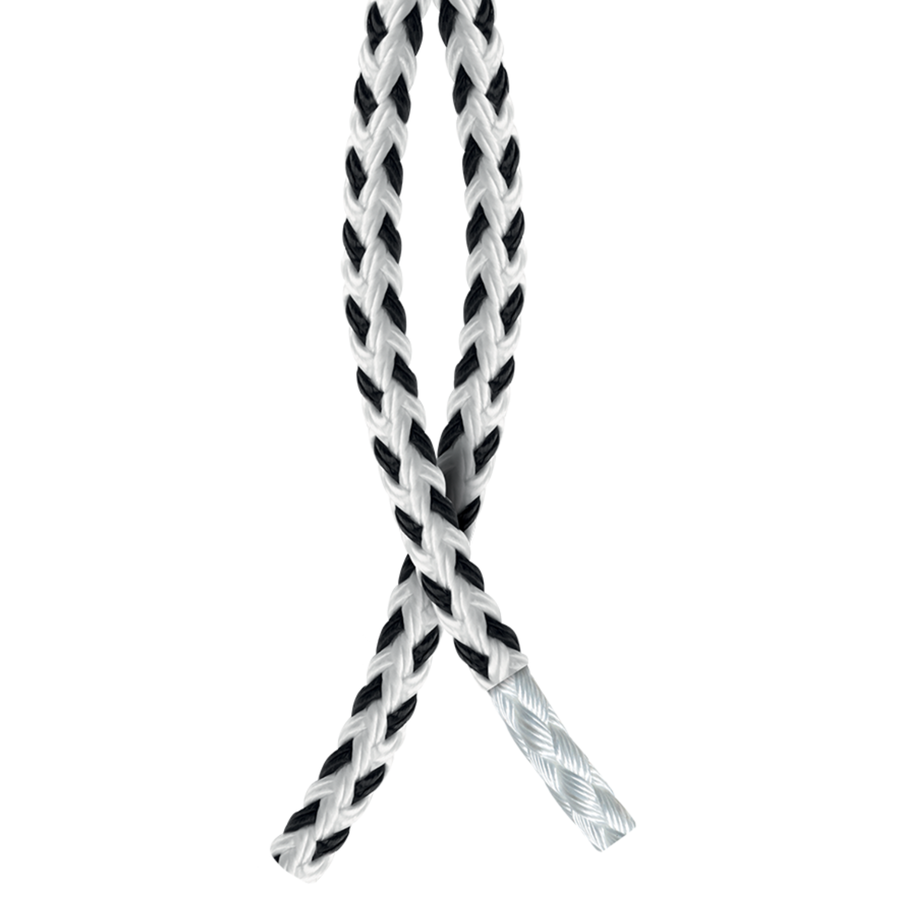
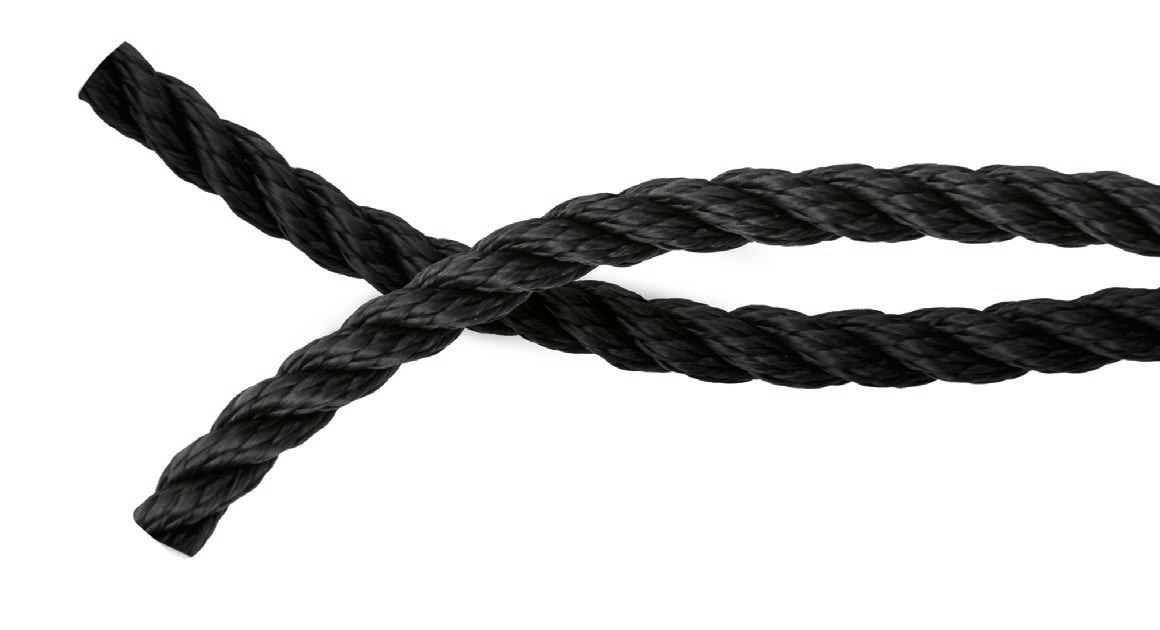
Fundeio e amarração
How to choose an anchor rope: material, diameter and length
The anchor rope holds the whole boat. Here is which material absorbs shock loads, which diameter fits your boat and how much rope your anchorages require.
Why an anchor rope is different from other ropes
For halyards and sheets we want as little stretch as possible. For an anchor rope it is exactly the opposite: a boat at anchor pitches on the waves, snatches at chain and rope, and every shock load is transmitted to the anchor and the bow fittings. A rope that stretches slightly absorbs those loads and protects the ground tackle and the boat. That is why Dyneema or stiff pre-stretched polyester are not suited to anchoring.
Material: polyamide, polyester or recycled fibre
Polyamide (nylon) offers the best shock absorption. It has high strength, good abrasion resistance and stretches under load; it loses a little strength when wet, which manufacturers allow for. Our anchor and mooring lines Flexon and Mariner are polyamide. Polyester is somewhat stiffer but resists UV very well and costs less; the high-strength Laguna is a good choice where you want one rope for both anchoring and mooring. The third option is Eco anchor, made from a recycled polyester-based fibre that behaves like a conventional anchor rope with a lower environmental footprint.
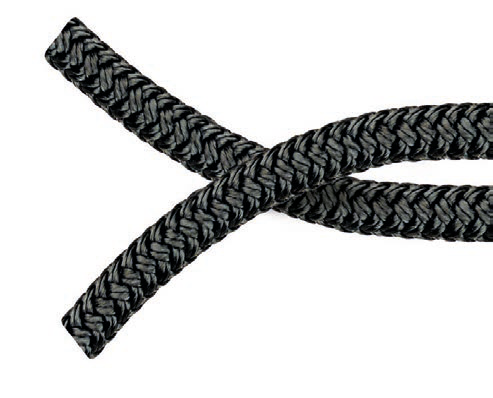
Flexon
Cabo de fundear em poliamida altamente elástico para absorção de esticões.
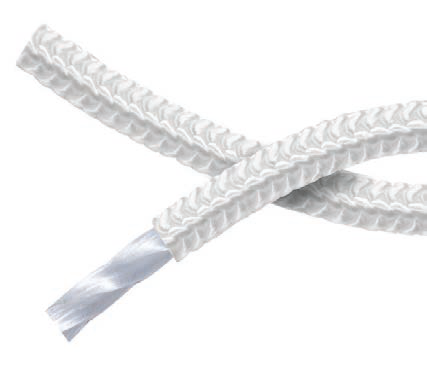
Mariner
Cabo versátil em poliamida para o uso diário a bordo.
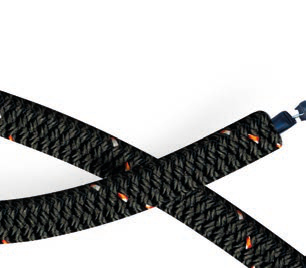
Eco Anchor
Cabo de fundear com alma em fibra reciclada — a escolha ecológica.
Diameter by boat size
Anchor and mooring line diameter follows hull length. For boats up to 9 metres we recommend 12 mm, up to 12 metres 14 mm, up to 15 metres 16 mm and 18 mm for larger yachts. Thicker is not automatically better: the rope has to pass through the fairlead and the windlass, and unnecessary weight on the bow does the boat no favours. The Boat selector shows the exact value for your model.
Length: five to seven times the depth
An anchor rope should be five to seven times the depth of the anchorage, more in strong wind. If you usually anchor in 5 to 8 metres, 40 to 50 metres will do; for the Adriatic and the Mediterranean with deeper bays, allow 50 to 60 metres. A length of chain at the anchor improves holding and protects the rope from chafing on the bottom.
Protection and care
Most anchor ropes are destroyed where they pass through the bow fairlead. Use chafe protection, rinse the rope after anchoring in sand, and finish the anchor end with a spliced eye and thimble rather than a knot, which weakens the rope where it tightens. Check regularly for fraying and cut off the affected section at the first signs, which is why it pays to buy the rope with some spare length.
Com dúvidas?
Escolha o seu barco para obter recomendações de diâmetro e comprimento para cada posição, ou contacte-nos.
Perguntas frequentes
Which anchor rope diameter for a 10 m boat?+
For a boat around 10 metres we recommend a 14 mm anchor rope; up to 9 metres 12 mm is enough, above 12 metres choose 16 mm.
Can an anchor rope be made of Dyneema?+
We do not recommend it. Dyneema barely stretches, so it does not absorb shock loads, and it floats. For anchoring choose elastic polyamide or polyester.
How long an anchor rope should I buy?+
Five to seven times the anchorage depth. For usual anchoring in 5 to 8 metres, 40 to 50 metres will do; allow 50 to 60 metres for deeper bays.