
Technical data
Materials and rope care
An overview of the fibres we use to make our ropes and recommendations for a long service life.
Rope anatomy
What is inside a rope
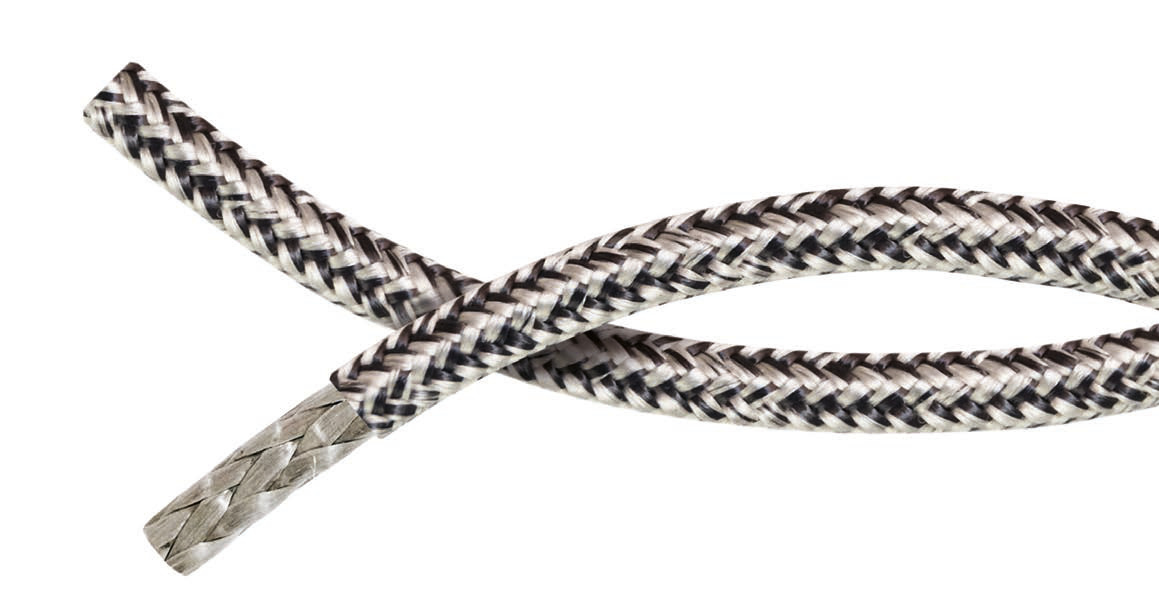
We take the D-Race halyard apart layer by layer: from the cover through the core down to the individual fibres.
Layer 1 · Cover
Cover · polyester
Protects the core from abrasion and UV and gives the rope grip in the clutch and on the winch. Polyester is durable, holds knots well and does not float.
Fibre materials
Extremely strong, very low-stretch fibre at very low weight; it floats and resists UV and abrasion well, but is slippery (knots slip, so it's spliced) and heat-sensitive. We use it as the core of halyards and racing lines (DF 2, DF 3, D-race, Dynestorm, Dyneforce) and for soft shackles.
 DF 2 →
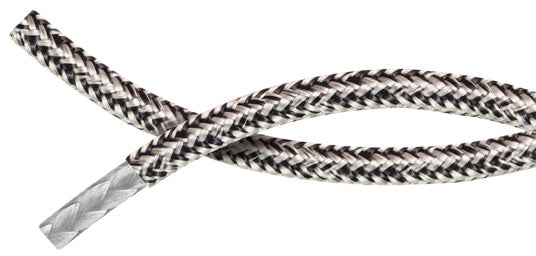
Nexsteel is an HMPE core tested and upgraded by LANEX — the same fibre family as Dyneema®, with high strength and low stretch, stabilised for sustained loads. It forms the core of Dynestorm, Mistral, Levante, Zero Plus and Railing line.
 Dynestorm →
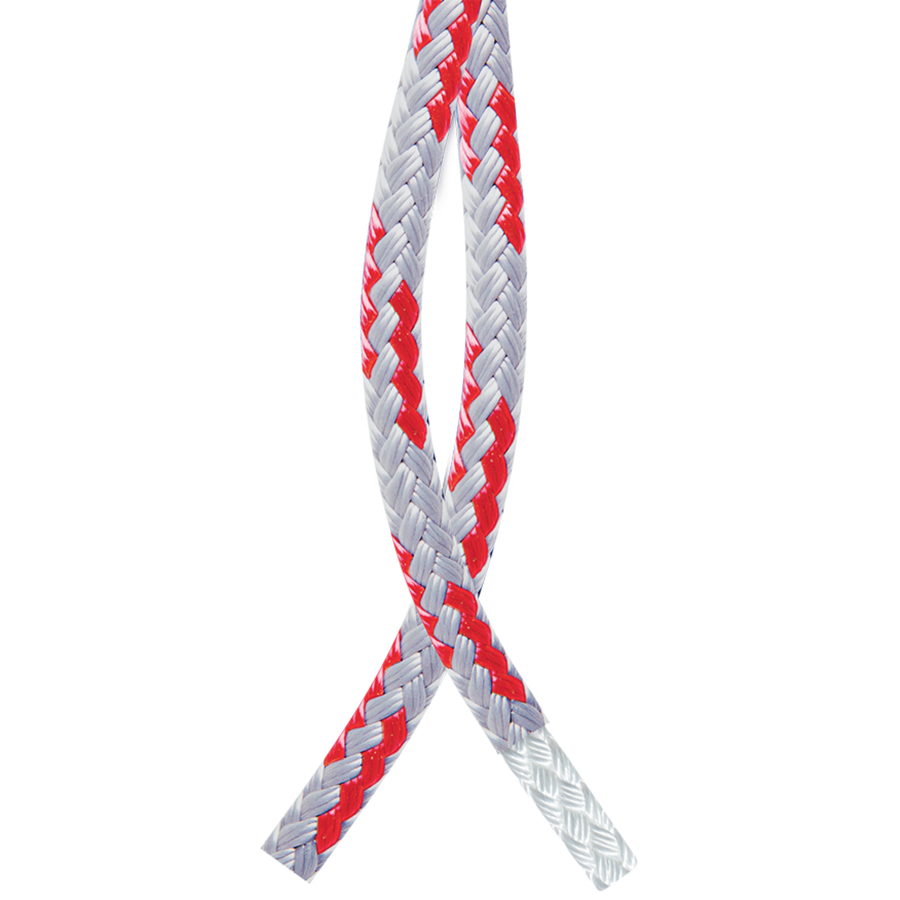
The all-round fibre: good strength, low stretch (pre-stretched) and excellent UV and abrasion resistance; it sinks, holds knots well and is affordable. It's the basis of most of our ropes — as the cover of halyards and as the whole rope for sheets, control and mooring lines (Laguna, Mistral, Hurricane, Vision).
 Hurricane →
A light fibre that floats and is the most affordable; it has lower strength and, unless stabilised, weaker UV resistance. Ideal for floating and rescue lines (SOS line), light dock lines (Stormy dock, Malaga) and classic-look ropes (Oldtimer, Baška PPV).
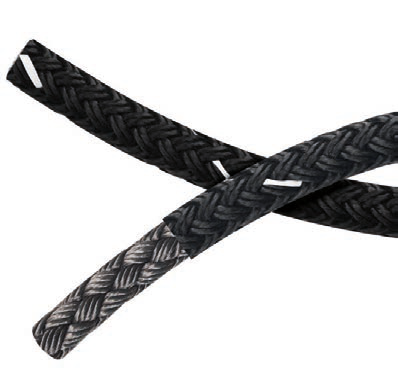 Vision →
Aramid fibres offer high strength, very low stretch and excellent heat resistance, but tolerate UV and sharp bends poorly — so they are used under a cover. In our range: the Leech line.
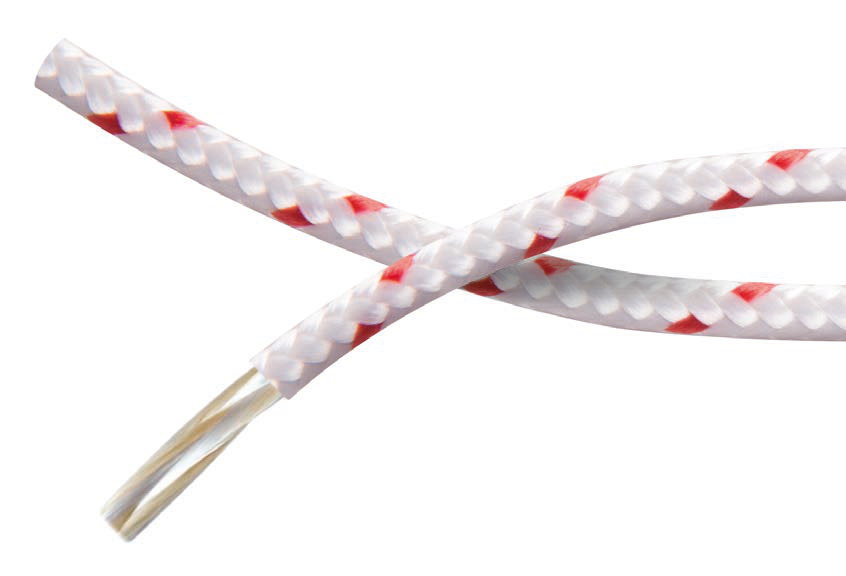 Leech Line →
Technora® is a para-aramid with outstanding heat and abrasion resistance and low stretch. We use it in the cover of Zero Plus (blended with polyester), where it protects the HMPE core at points of high friction and load.
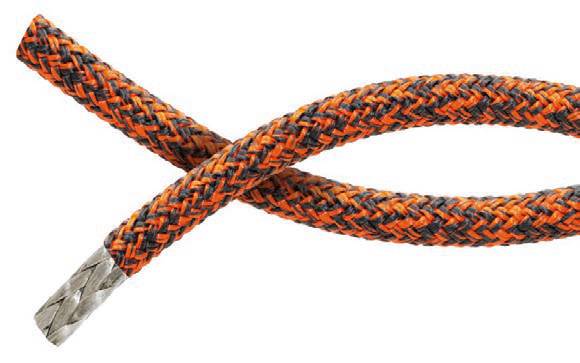 Zero Plus →
Vectran® (a liquid-crystal polymer) has extremely low stretch and virtually zero creep, tolerates heat well but needs UV protection. Ideal where precise trim matters — in our range, the Vectran line.
Polyamide is the most elastic of the common fibres — it absorbs shock loads and has high strength and abrasion resistance, losing a little strength when wet. That makes it ideal for anchor and mooring lines (Eco rope, Flexi dock, Flexon, Mariner).
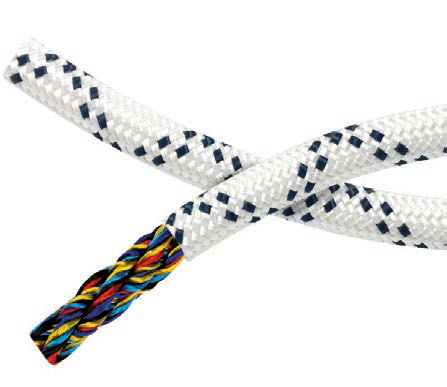 Eco rope →
Cordura® is an exceptionally tough nylon-based cover fabric. In the covers of Dynestorm, Ocean and Marlin touch it gives excellent grip and markedly higher abrasion resistance — the line does not slip in stoppers or on winches.
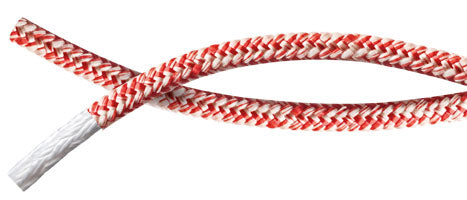 Ocean →
A recycled polyester-based fibre with the same function as virgin fibre but a lower environmental footprint. We use it in the Eco anchor rope — proof that sustainability and performance go together.
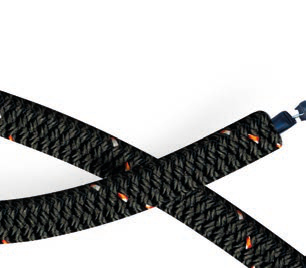 Eco Anchor →
Construction types
A hollow braid with no core, usually HMPE. Very strong, minimal stretch and easy to splice — typical for racing halyards, soft shackles and lashings.
A load-bearing core (HMPE or polyester) protected by a cover (polyester, Cordura®, Technora®). The cover provides grip and protects against abrasion and UV — the most common construction for halyards and sheets.
The classic laid rope of three strands. It's elastic, absorbs shock loads well and takes an eye splice easily — hence ideal for anchor and mooring lines and traditional-look ropes (Oldtimer).
A braid without a core, flexible and flatter. It holds knots well and is easy to handle — used for lashings, whipping line and small accessories.
Fibre comparison
Indicative 1–5 ratings for relative comparison. Polyamide's low 'low-stretch' score is intentional — its elasticity absorbs shock loads when anchoring.
| Fibre | Strength | Low stretch | UV resistance | Abrasion resistance | Floats | Price |
|---|---|---|---|---|---|---|
| Dyneema® (HMPE) | ●●●●● | ●●●●● | ●●●●● | ●●●●● | ✓ | ●●●●● |
| Nexsteel (HMPE) | ●●●●● | ●●●●● | ●●●●● | ●●●●● | ✓ | ●●●●○ |
| Vectran® | ●●●●● | ●●●●● | ●○○○○ | ●●●○○ | — | ●●●●● |
| Technora® | ●●●●● | ●●●●● | ●●○○○ | ●●●●○ | — | ●●●●● |
| Aramid | ●●●●● | ●●●●● | ●○○○○ | ●●○○○ | — | ●●●●○ |
| Polyester | ●●●○○ | ●●●●○ | ●●●●● | ●●●●○ | — | ●●○○○ |
| Recycled fibre | ●●●○○ | ●●●●○ | ●●●●○ | ●●●●○ | — | ●●○○○ |
| Polyamide (nylon) | ●●●●○ | ●○○○○ | ●●●○○ | ●●●●○ | — | ●●○○○ |
| Polypropylene | ●●○○○ | ●●○○○ | ●●○○○ | ●●○○○ | ✓ | ●○○○○ |
| Cordura® | ●●●○○ | ●●●○○ | ●●●●○ | ●●●●● | — | ●●●●○ |
Diameters by boat length
The same bands we use to size ropes for boatbuilders and that drive the Boat selector. The circles are to scale relative to each other.
Which fibre for which position
Minimal stretch so the sail holds its shape: HMPE core (Dyneema® / Nexsteel) with a polyester cover; 12-strand HMPE for racing.
Good grip and abrasion resistance: polyester double braid; under high load an HMPE core with a Cordura® cover (Dynestorm, Ocean).
Smaller 6–10 mm diameters, precise trim: polyester; for demanding systems HMPE or Vectran® (near-zero creep).
Elasticity to absorb shock loads plus abrasion resistance: polyamide (Flexon, Mariner) or polyester, 12–18 mm by boat size; Eco anchor for a greener choice.
The line must stay on the surface: polypropylene (SOS line) or HMPE, which floats thanks to a density lower than water.
Care and storage
Store ropes in a dry, dark place at 15–25 °C, away from chemicals and sharp edges. Rinse with fresh water after use in salt water. The maximum recommended storage time is 5 years.
Frequently asked questions
What rope diameter should I choose?+
Diameter depends on boat size and the rope's function. As a guide: halyards and sheets 8–16 mm by hull length, control lines 6–10 mm, anchor and mooring lines 12–18 mm. Our Boat selector calculates the exact diameter for your boat.
Dyneema® or polyester?+
Dyneema® (HMPE) is far stronger and lower-stretch at lower weight — ideal for halyards and racing. Polyester is more affordable and resistant to UV and abrasion — good for sheets, control and mooring lines. They are often combined (Dyneema core, polyester cover).
Which rope for a halyard and which for a sheet?+
Halyards call for a Dyneema®-core rope with minimal stretch so the sail keeps its shape. For sheets, choose a rope with good grip and abrasion resistance. You'll find both in our range, with per-position recommendations in the Rope guide.
How long a rope do I need?+
Length depends on the rig dimensions (P, E, I, J) and hull length. Our Boat selector calculates the recommended length for every position once you enter your boat model or dimensions — and we have dedicated pages for over 4,000 boats.
Which rope for anchoring and mooring?+
For anchor and mooring lines, choose a durable rope with some elasticity to absorb shock loads — usually 12–18 mm by boat size. Our range includes ropes made specifically for anchoring and mooring.
How do I pick ropes for a specific boat?+
Use our Boat selector — enter the builder and model (or rig dimensions) and you'll see the recommended rope, diameter and length for every position on deck. The recommendation is also available on a dedicated page for your boat.