
Energy
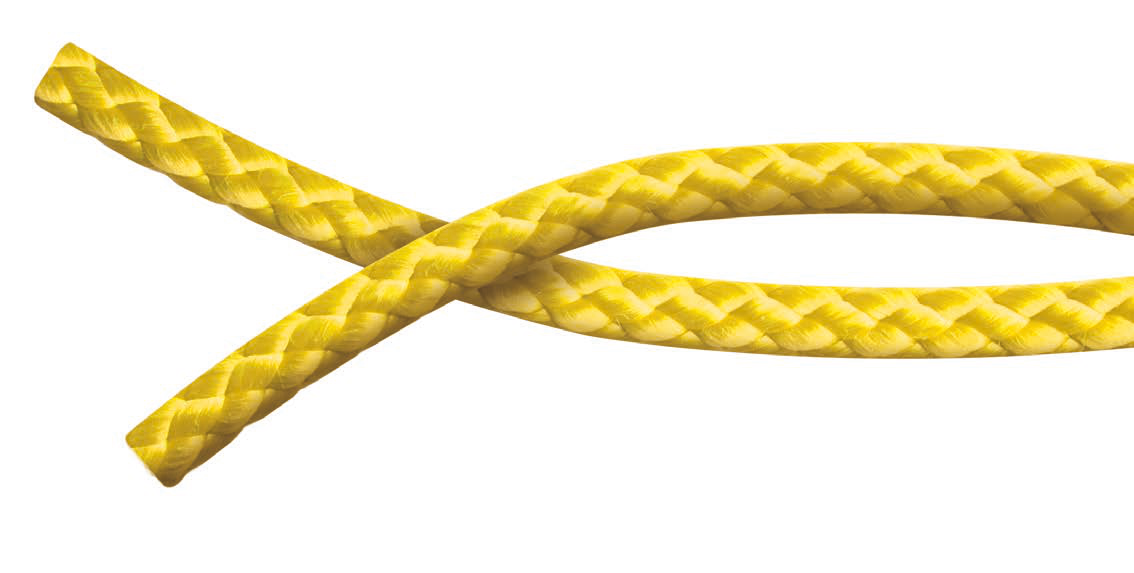
Light floating braided rope for auxiliary jobs on deck.
Overview
Technical parameters
| Diameter | Breaking load | Weight | Colours |
|---|---|---|---|
| 2 mm | 90 daN | 0.2 kg / 100 m | |
| 3 mm | 160 daN | 0.3 kg / 100 m | |
| 4 mm | 290 daN | 0.7 kg / 100 m | |
| 5 mm | 350 daN | 0.9 kg / 100 m | |
| 6 mm | 450 daN | 1.3 kg / 100 m | |
| 8 mm | 650 daN | 2.5 kg / 100 m | |
| 10 mm | 900 daN | 3.6 kg / 100 m | |
| 12 mm | 1250 daN | 5.6 kg / 100 m | |
| 14 mm | 1600 daN | 7.8 kg / 100 m |
Material and construction in depth
Core · Polypropylene
A light fibre that floats and is the most affordable; it has lower strength and, unless stabilised, weaker UV resistance. Ideal for floating and rescue lines (SOS line), light dock lines (Stormy dock, Malaga) and classic-look ropes (Oldtimer, Baška PPV).
Construction
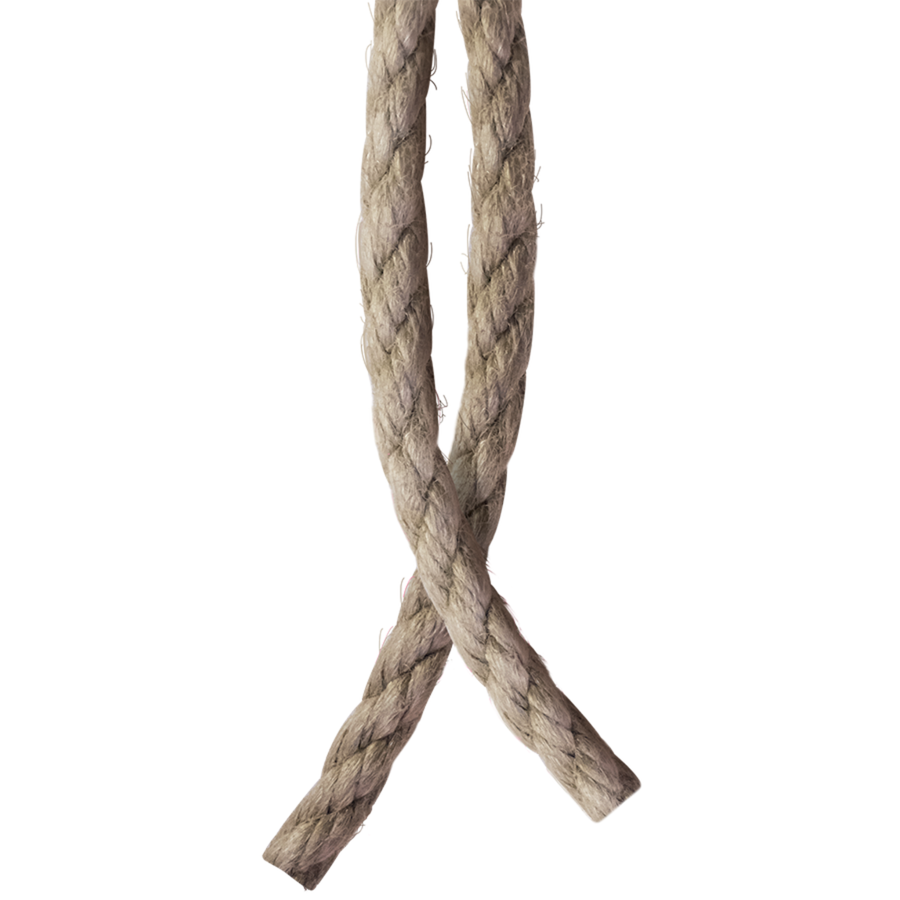
A braid without a core, flexible and flatter. It holds knots well and is easy to handle — used for lashings, whipping line and small accessories.
Read in the Rope guide
Dyneema or polyester? How to choose the rope material
The two most common fibres on deck and two different philosophies. When Dyneema is worth the investment and where polyester does the same job for a fraction of the price.
How to measure the ropes on your boat and when to replace them
Simple formulas for halyard and sheet length that you can work out from the sail dimensions, and seven signs that a rope is due for replacement.
Recommended use
Materials and construction
- Construction
- Coreless braid
- Core
- Polypropylene
- Suitable for
- Cruising yachts, Small racing boats
- Available colours