
Soft Shackle
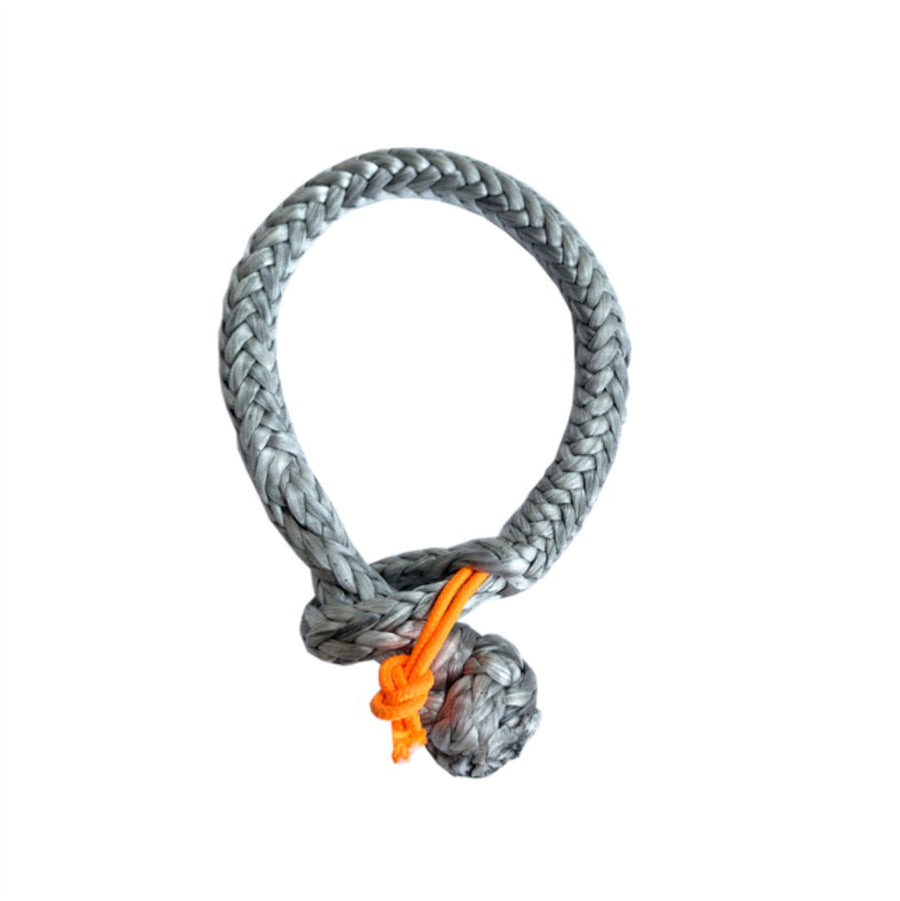
A soft shackle made of Dyneema® as a light replacement for metal shackles.
Overview
A safe, extremely strong yet lightweight textile shackle made of high-tenacity fibres — 10× lighter than a metal carabiner of the same strength. Easy to open and close without tools; a special knot prevents unlocking even under heavy load. Silent, and it won't damage the deck or equipment.
Technical parameters
| Diameter | Breaking load | Weight | Colours |
|---|---|---|---|
| 3 mm | 1000 daN | — | |
| 4 mm | 2450 daN | — | |
| 5 mm | 3200 daN | — | |
| 6 mm | 4800 daN | — | |
| 7 mm | 5000 daN | — | |
| 8 mm | 6200 daN | — |
Material and construction in depth
Core · Dyneema® (HMPE)
Extremely strong, very low-stretch fibre at very low weight; it floats and resists UV and abrasion well, but is slippery (knots slip, so it's spliced) and heat-sensitive. We use it as the core of halyards and racing lines (DF 2, DF 3, D-race, Dynestorm, Dyneforce) and for soft shackles.
Construction
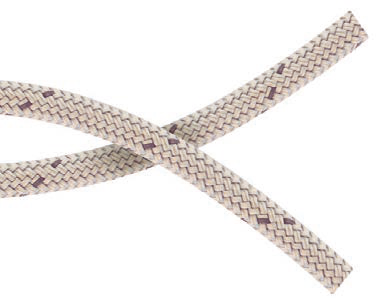
A braid without a core, flexible and flatter. It holds knots well and is easy to handle — used for lashings, whipping line and small accessories.
Read in the Rope guide
Dyneema or polyester? How to choose the rope material
The two most common fibres on deck and two different philosophies. When Dyneema is worth the investment and where polyester does the same job for a fraction of the price.
How to measure the ropes on your boat and when to replace them
Simple formulas for halyard and sheet length that you can work out from the sail dimensions, and seven signs that a rope is due for replacement.
Materials and construction
- Construction
- Coreless braid
- Core
- Dyneema® (HMPE)
- Suitable for
- Cruising yachts, Racing yachts, Small racing boats
- Available colours